Active counter-UAS protection
Active counter-UAS protection is a set of measures aimed at intercepting threats in real time. We form mobile FPV teams, configure communications, and coordinate response actions to protect critical directions.
The approach combines constant airspace monitoring with the use of specialized interceptors. The goal is to detect and neutralize threats before they close in on the facility.
Active measures can be integrated with existing detection tools and radar systems. This creates a single operational loop where detection, tracking, and interception happen in a controlled sequence.
Tactics are selected according to the site profile: coastal lines, industrial areas, energy facilities, warehouses, and logistics hubs.
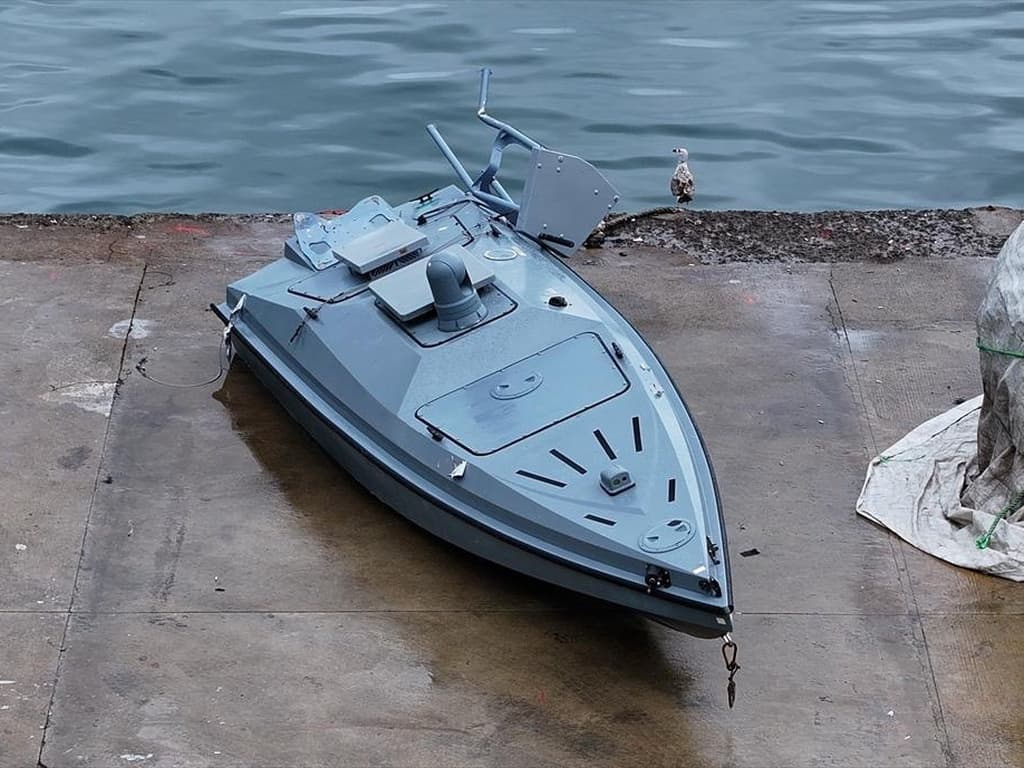
What is included
- Rapid-response FPV teams
- Interceptor drones and target cueing
- Aerial reconnaissance and monitoring
- Real-time coordination
- Tactics tailored to specific threats
Work stages
- Threat assessment and tactic selection
- Formation of mobile groups
- Setup of communications and observation channels
- Operational duty and interception
- After-action analysis and adjustments
Outcome
Higher site protection and lower strike risk through active interception of threats.
Engagement format
- Permanent duty on site
- Rapid deployment on call
- Hybrid format with staff training
Timeline
- Team and tactic preparation: 7 to 14 days
- Deployment on site: 1 to 3 days
- Support and continuation: by agreement
Documents and materials
- FPV team operating procedure
- Response scenarios
- Operational results report
Example tasks
Coastal protection sector
We configured monitoring and interception of aerial and surface threats on approaches to the site and prepared response procedures.
Industrial facility
We built an active defense loop tied to radar and guard posts, ensuring rapid response capability.
FAQ
Can this be integrated with existing detection systems?
Yes. Active teams can work as part of a radar and detection-based workflow.
Is a permanent on-site team always required?
Not necessarily. The format depends on the risk profile and can be permanent or standby-based.