Counter-UAS infrastructure protection analysis
Counter-UAS protection analysis is a foundational security assessment of a site based on realistic unmanned aircraft attack scenarios. We focus on concrete flight profiles, altitudes, speeds, approach vectors, and likely bypass techniques rather than abstract threats. This reveals weak areas that desk-based reviews often miss.
We work on critical infrastructure where the cost of error is high. The analysis includes radar conditions, surrounding development, terrain, security procedures, and existing detection and suppression systems. The result is an objective view of real protection levels based on measurement and modeling rather than formal compliance marks.
We pay special attention to the connection between technical and organizational controls: patrol routes, response times, roles, and personnel actions. That allows us to build a complete counter-drone concept in which equipment and people operate as one system.
The analysis covers both local threats such as small drones, multicopters, and FPV systems, and longer-range fixed-wing platforms. We assess how the site performs across different scenarios, weather, and time-of-day conditions.
What is included
- Analysis of airspace and likely approach vectors
- Assessment of current detection and countermeasure effectiveness
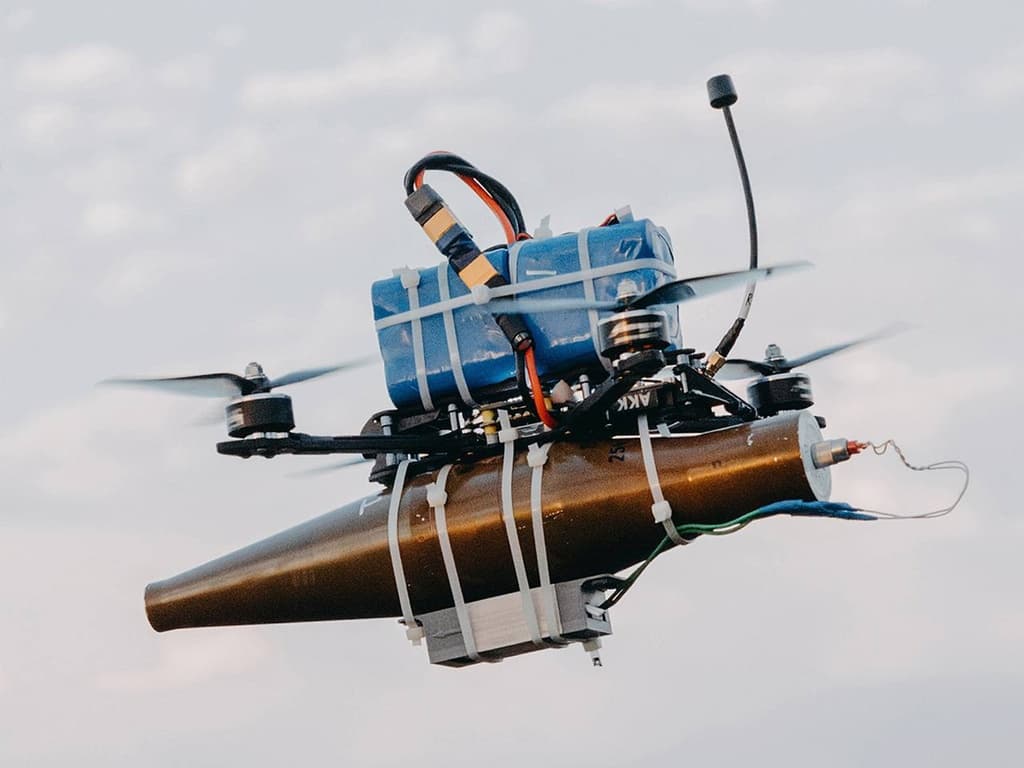
- Attack modeling for multicopter, fixed-wing, and FPV drones
- Vulnerability map and blind-zone analysis
- Review of procedures and response timelines
- Recommendations for stronger protection
Work stages
- Preliminary site and infrastructure survey
- Collection of airspace data and typical UAV routes
- Assessment of technical and organizational measures
- Scenario-based attack modeling
- Final report and implementation roadmap
Outcome
Expert conclusion with threat map, analysis of current protection, and a phased counter-drone hardening plan.
Engagement format
- On-site survey with field team deployment
- Hybrid format: site visit plus remote analysis
- Audit of existing documents and procedures
Timeline
- Initial analysis and preparation: 3 to 5 business days
- Site visit and survey: 1 to 3 days depending on scale
- Report and recommendations: 5 to 10 business days
Documents and materials
- Expert conclusion with vulnerability map
- Protection effectiveness report
- Security improvement roadmap
- Recommendations for integration of new systems
Example tasks
Oil and gas facility
We analyzed detection sectors and identified blind approaches caused by terrain. We recommended changes to guard post placement and stronger observation layers.
Transport hub
We modeled FPV attacks from several altitudes, found staff response delays, and proposed a revised procedure and training package.
FAQ
What drone types are covered in the analysis?
We model attacks by multicopter, fixed-wing, and FPV drones across different altitudes, speeds, and flight profiles.
Can the analysis be performed without stopping site operations?
Yes. Surveys and scenario modeling are planned to avoid disrupting the main operational process.
What does the security team receive?
A detailed threat map, vulnerable-zone analysis, procedure recommendations, and a prioritized protection improvement plan.